What to Do Immediately After a Storm Damages Your Trees
When severe weather strikes Billings, fallen or damaged trees can pose immediate safety risks to your home, family, and neighbors. Your first priority should always be personal safety. If a tree has fallen on your house, a power line, or is blocking a roadway, stay clear of the area and call 911 if there's an immediate danger. Do not attempt to remove large branches or fallen trees yourself, especially if they're near electrical lines or your roof.
Once you've ensured everyone is safe, document the damage thoroughly. Take multiple photographs and videos from different angles, showing the fallen tree, any damage to your home or property, and the surrounding area. These images will be essential for your insurance claim. Make a written note of the date, time, and weather conditions at the time of the storm. If your tree has damaged a neighbor's property or fallen across their yard, communicate with them calmly and document that conversation as well. This initial documentation is often the difference between a smooth insurance claim and months of back-and-forth disputes.
Insurance Documentation: Building Your Claim for Storm Damage
Filing a claim for emergency tree service and storm damage requires organized, thorough documentation. Start by reviewing your homeowner's insurance policy to understand your coverage limits for tree removal and property damage. Most standard policies cover tree removal if the tree has damaged a structure on your property, but coverage varies widely. Some policies limit reimbursement to a percentage of the total removal cost, typically between 5 and 10 percent, with a maximum cap. Understanding these details before you call your insurance company will help you ask the right questions and set realistic expectations.
When you contact your insurance company, have your policy number and all photographs ready. Provide a detailed timeline of events: when the storm occurred, when you discovered the damage, and what immediate steps you took for safety. Request a claims adjuster visit your property as soon as possible. The adjuster will assess the damage, verify that it was weather-related (not due to poor tree maintenance), and determine what your policy will cover. Before hiring a tree removal company, ask your insurance company whether you need pre-approval or if you should get multiple quotes for their records. Some insurers require this; others do not. Getting this clarification upfront prevents delays in reimbursement.
Choosing the Right Emergency Tree Removal Service Near Me
When you need emergency tree service in Billings, time is critical, but choosing a qualified, licensed company is equally important. A storm-damaged tree can shift or fall further, creating ongoing hazards. Look for companies that offer 24/7 response, carry proper liability insurance, and employ experienced arborists. When you call, ask about their experience with storm damage specifically. A reputable company will ask you questions about the tree's location, size, and proximity to structures, power lines, or neighboring properties. They should also discuss their approach to debris removal and whether they offer stump grinding services.
Before making a decision, request a detailed written estimate that breaks down the cost of removal, debris hauling, and any additional services. This estimate will be important for your insurance claim and helps you compare fairly between companies. Billings Tree Service offers free estimates and can typically respond to emergency calls within hours. Our team is equipped to handle complex removals safely and efficiently, and we'll provide documentation of the work completed, which your insurance company will need. You can reach us at (406) 500-6212 to discuss your situation and get immediate guidance on next steps.
Storm Damage Tree Service: What the Removal Process Involves
Understanding what tree removal actually entails helps you communicate better with your service provider and know what to expect. In storm damage situations, the process often differs from routine removals because the tree may be unstable, partially uprooted, or entangled with power lines or structures. Professionals must first assess the hazards and create a safe removal plan. This might involve using specialized equipment like cranes, bucket trucks, or rigging systems to lower large sections of the tree safely rather than simply felling it. The goal is to prevent further damage to your home, neighboring properties, or utilities.
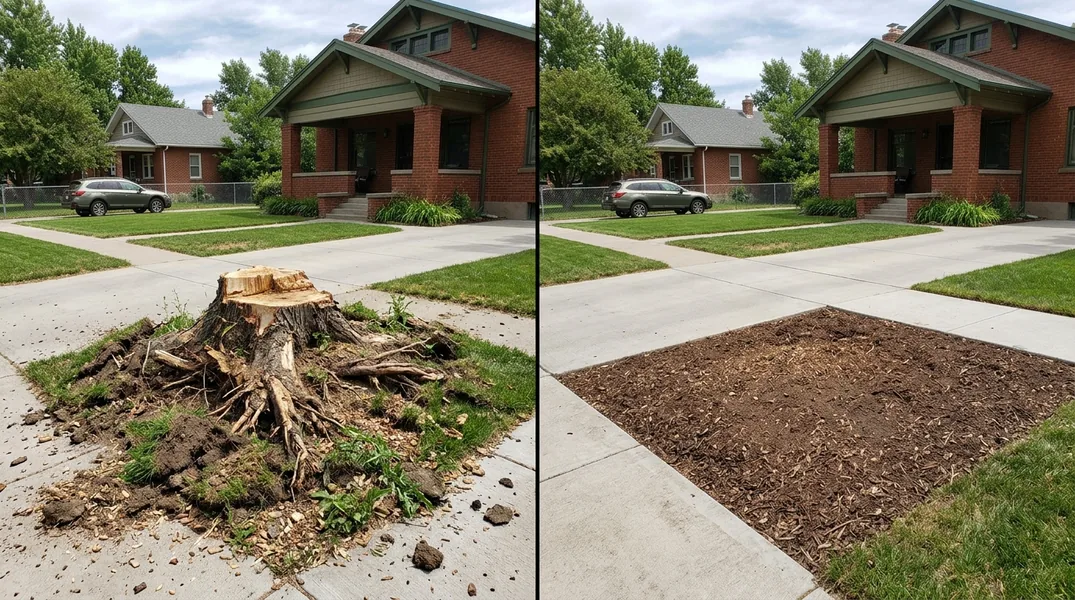
Once the tree is removed, the company will typically chip the branches and haul away the debris, leaving your property clean. If you want to keep some wood for firewood or mulch, that can sometimes be arranged. After removal, many homeowners choose stump grinding to eliminate the remaining stump and roots, which prevents regrowth and reclaims yard space. The entire process, from initial assessment to final cleanup, may take a few hours for a single tree or several days for multiple trees or complex situations. Your service provider should give you a realistic timeline and explain any site-specific challenges that might affect the schedule.
Preventing Future Storm Damage: Tree Maintenance Tips
While you cannot prevent severe weather, you can reduce the risk of tree damage and failure by maintaining your trees proactively. Regular tree trimming and pruning removes dead branches, improves air flow through the canopy, and reduces the overall weight distribution on the trunk and root system. Trees that are well-maintained are significantly less likely to fail during high winds or heavy snow loads. If you have trees near your home or power lines, professional pruning should be part of your annual maintenance routine. A experienced arborist can identify weak branch attachments, disease, or structural issues before they become dangerous.
After a storm, inspect your trees for damage even if they haven't fallen. Broken branches, split trunks, or bark damage can invite disease and pests. Addressing these issues promptly with professional trimming can save the tree and prevent future emergencies. If you're uncertain about the health or safety of any tree on your property, contact Billings Tree Service for a professional assessment. Regular maintenance is far less costly than emergency removal and provides peace of mind knowing your landscape is safe.
Emergency Tree Removal Cost in Billings: What to Budget
The cost of emergency tree removal varies significantly depending on the tree's size, location, complexity of the removal, and local market rates. A small tree might cost between $300 and $800, while a large tree close to structures or power lines could range from $2,000 to $5,000 or more. Storm-damaged trees often cost more to remove safely than routine removals because they require specialized equipment and careful planning to prevent additional damage. When you receive a quote, make sure it includes debris removal and cleanup. Some companies charge separately for hauling, chipping, and site restoration, so clarify what's included in the stated pricing.
One advantage of storm damage claims is that insurance often covers a significant portion of the removal cost if the tree has damaged a structure. Even if your policy has a deductible or a percentage limit, you may recover most of the expense. Request itemized invoices from your removal company, as insurance companies need detailed documentation to process claims. If you're facing multiple tree removals or additional services like stump grinding, ask about package pricing. Billings Tree Service provides transparent, competitive pricing and can discuss your insurance situation when you call (406) 500-6212 for a free estimate.
Looking for a professional tree service contractor in Billings? Billings Tree Service responds fast for all your tree service needs.
Get a Free QuoteOur services: Tree Removal · Tree Trimming & Pruning · Stump Grinding