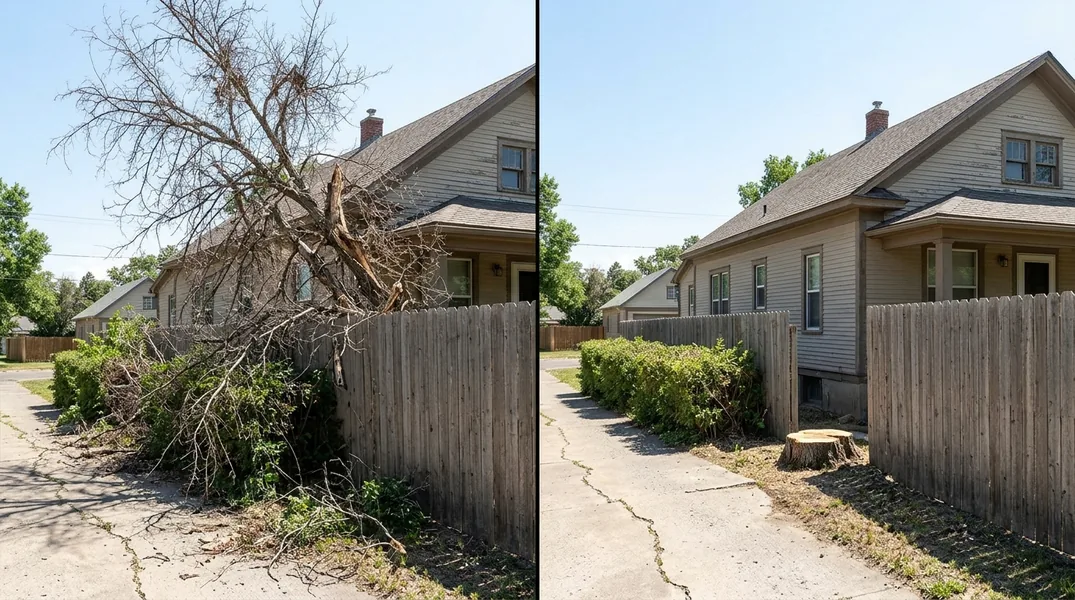
Understanding Boulevard Trees and Public Right-of-Way in Billings
If you own property in Billings, you may have trees growing along the street edge of your lot, in what's known as the public right-of-way. These boulevard trees, also called street trees or verge trees, occupy a gray area that confuses many homeowners. While the trees may appear to be on your property, they're often actually owned and maintained by the city. Understanding this distinction is crucial before you decide to remove or trim any tree near the street.
The public right-of-way is the strip of land between the edge of the street pavement and the property line. In Billings, this area typically extends about 30 to 50 feet from the center of the street, though the exact width varies by location and zoning. Trees planted in this zone are considered public property, even if they're rooted in soil that feels like part of your yard. This means the city has authority over them, and you cannot simply cut them down without permission. Removing a boulevard tree without proper authorization can result in fines and legal complications.
Do You Need a Tree Removal Permit in Billings?
The short answer is yes, in most cases. Billings requires property owners to obtain a permit before removing trees in certain circumstances. The city's forestry department enforces regulations designed to protect the urban forest and maintain the community's tree canopy. Whether you're removing a tree on your private property or in the right-of-way, understanding when a permit is required can save you time, money, and legal headaches.
Generally, you'll need a tree removal permit if the tree is larger than a certain diameter (typically 6 inches or more, measured at breast height) or if it's located in the public right-of-way. Some exceptions exist for dead or hazardous trees that pose an immediate safety risk, but even then, it's wise to notify Billings city forestry before proceeding. The permit process typically involves submitting an application, paying a fee, and waiting for approval from the city's forestry division. This process usually takes a few business days to a couple of weeks, depending on the complexity of your request.
How to Check if a Tree is in the Public Right-of-Way
Before you contact a tree removal service, take time to determine whether the tree you want to remove is actually on your property or in the public right-of-way. This simple step can clarify your next course of action and help you avoid costly mistakes. Start by locating your property line using your deed or a recent property survey. If you don't have these documents, your county assessor's office or a local title company can provide this information.
Once you know where your property line sits, measure the distance from the street edge to the base of the tree in question. If the tree is between the street and your property line, it's likely in the public right-of-way and falls under city jurisdiction. You can also contact Billings city forestry directly by calling their office or visiting their website to ask about a specific tree's status. They can tell you whether the tree is public or private and what steps you need to take to remove it. Many homeowners find this direct approach the fastest and most reliable way to get accurate information.
Billings City Forestry: Permit Requirements and the Application Process
Billings city forestry manages the urban forest and oversees the permitting system for tree removal and tree trimming and pruning activities. Their role is to balance the needs of property owners with the broader community interest in maintaining healthy trees and green spaces. To obtain a removal permit, you'll typically need to complete an application form available from the city's website or in person at the city offices. The application usually asks for basic information about the tree, the reason for removal, and the location of the tree on your property.
The city forestry team will review your application and may require additional information or an on-site inspection before granting approval. They consider factors such as the tree's health, species, size, and location. If the tree is healthy and not a hazard, the city may deny your removal request or ask you to pursue tree trimming and pruning as an alternative. If removal is approved, you'll receive a permit that authorizes the work. If you need help navigating the permit process or want professional guidance, Billings Tree Service can assist you at (406) 500-6212.
Right-of-Way Tree Removal in Billings: City Responsibility vs. Property Owner Responsibility
One of the most common points of confusion is who is responsible for removing or maintaining boulevard trees. In Billings, the answer depends on the tree's location and condition. Trees in the public right-of-way are generally the city's responsibility to maintain and remove. However, if a tree is dead, diseased, or poses a hazard, the city may require the adjacent property owner to take action or cost-share the removal expense. This policy encourages homeowners to keep their properties and surrounding areas safe and attractive.
If you believe a boulevard tree is hazardous or dead, contact Billings city forestry to report it. They will assess the situation and determine the appropriate course of action. In some cases, the city will handle the removal at no cost to you. In other cases, they may require you to hire a contractor and may reimburse you partially or in full. If you're unsure about your responsibility, ask the city directly. When it comes time to remove a tree on your property, whether in the right-of-way or not, Billings Tree Service offers professional tree removal and stump grinding services. Contact us for a free estimate.
Common Violations and Penalties for Removing Trees Without Permission
Removing a tree without the required permit in Billings can result in significant penalties. The city takes tree protection seriously and enforces its regulations through fines and other legal consequences. Penalties typically range from hundreds to thousands of dollars, depending on the tree's size, species, and location. In addition to fines, you may be required to plant replacement trees or pay into a tree mitigation fund. These costs can quickly exceed what you would have paid to obtain a permit in the first place.
Beyond financial penalties, unauthorized tree removal can create liability issues. If a tree removal is done improperly and causes damage to property or injury to a person, you could face lawsuits and additional costs. This is why hiring a insured professional is always the safer choice. Billings Tree Service is fully insured to perform tree removal work in compliance with all local regulations. We handle the permitting process and ensure that every job is done safely and legally. If you're facing a tree removal decision, let us guide you through the proper channels and protect you from costly mistakes.
Looking for a professional tree service contractor in Billings? Billings Tree Service responds fast for all your tree service needs.
Get a Free QuoteOur services: Tree Removal · Tree Trimming & Pruning · Stump Grinding